

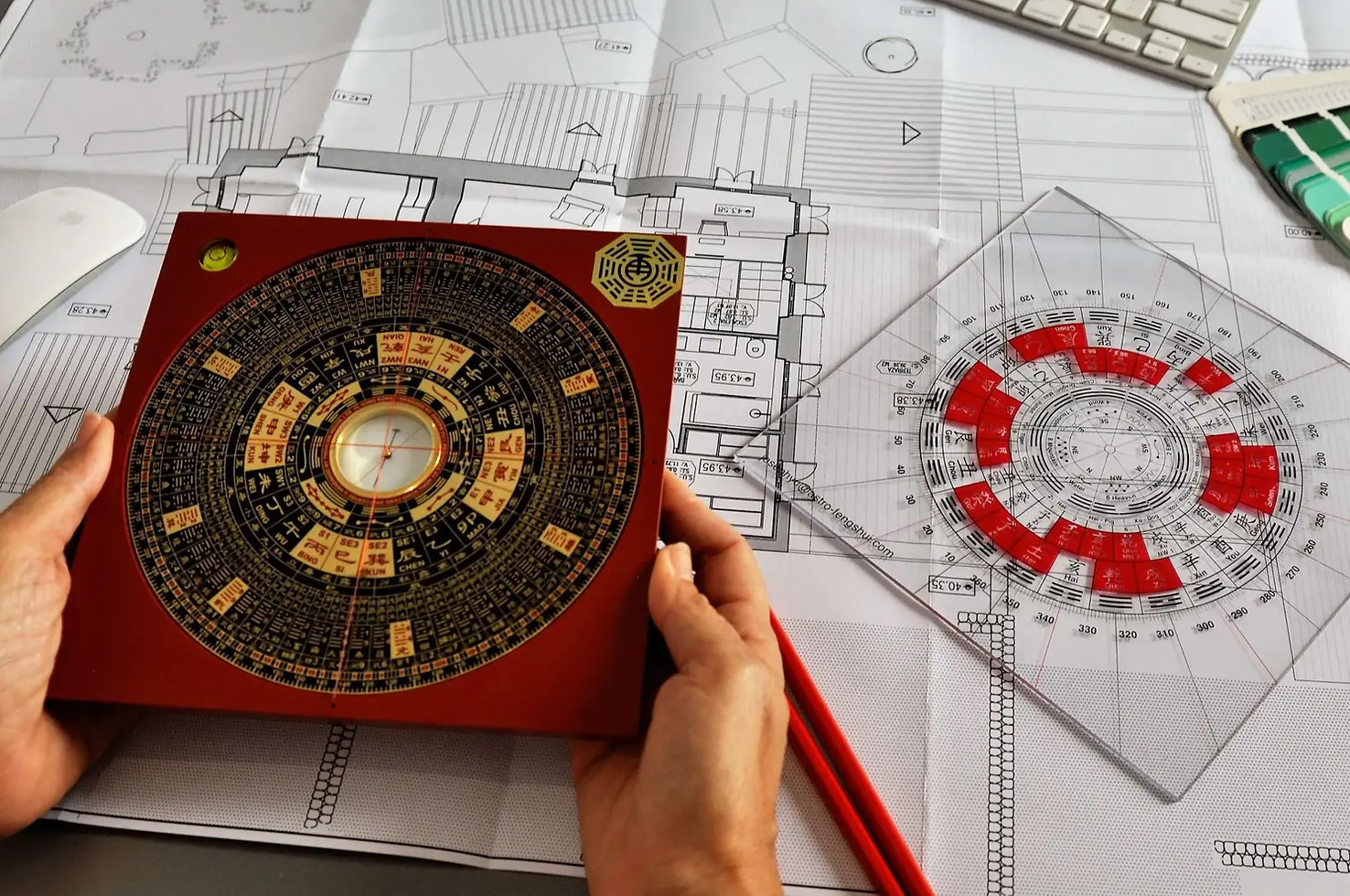
Furniture Layout in Feng Shui: Flow, Function and Room Relationships

Updated: Sep 24
Furniture placement changes how a room is used. In Feng Shui, the most practical questions are circulation, sightlines, support, privacy and whether the furniture fits the actual function of the room.
Keep movement clear
Main paths should not require constant detours around furniture. Clear circulation usually improves both function and the visual calm of a room.
Create a sense of support
Beds, sofas and workstations often feel more settled when they have a clear relationship to a wall or defined zone rather than floating in a movement path.
Manage sightlines
Direct lines from doors to beds, desks or private areas can create exposure. Screens, furniture orientation or planting may soften the relationship.
Match furniture to room purpose
A living room, bedroom and study need different balances of openness, interaction and focus.
Do not confuse symbolism with outcomes
Furniture placement can improve comfort and usability, but it does not guarantee wealth, relationships, health or career success.
Conclusion
Good furniture Feng Shui is mainly about making the room easier to use, more comfortable and more coherent.
Comments